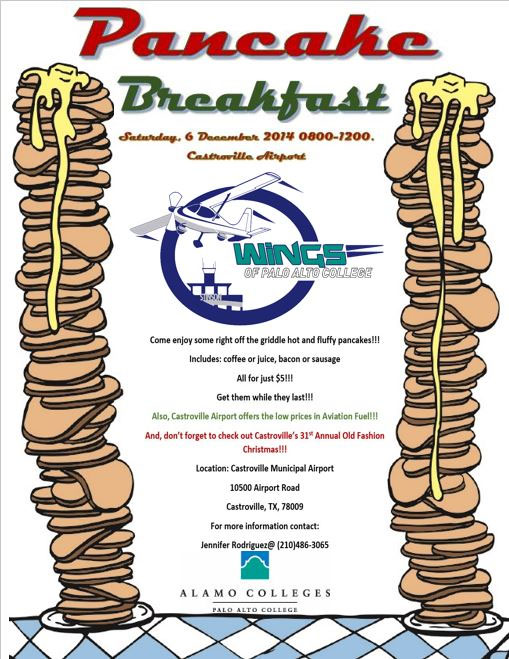
Pancake Fly-In At KCVB

For those of you in the Hill Country looking to kick off the Christmas month right, head over to the Castroville Airport (KCVB) on Saturday, December 6th and get yourself a short stack of flapjacks.  For just $5, you can get yourself a good hearty breakfast that includes coffee or juice and bacon or sausage.  The eating starts at 0800 and goes until 1200, local time.  Come with an empty belly and an empty gas tank as CVB currently has some of the lowest priced gas in South Texas, currently listed at $4.70/gallon.

There will be plenty of hangar flying, lots of airplanes to look at, and most importantly, lots of pancakes!

CVB Pancake Breakfast

Similar Posts

  • Oh, Deer (Part 3)

    Read Part 1 & Part 2

    Throughout the whole event, I learned quite a few things both about flying and about myself. Here are some of the lessons which I have taken away from the accident:

    1. No flight is routine: When I took off that morning I was about as relaxed as I could have been while going to fly. I was flying an airplane that I knew well, in beautiful weather, to familiar airports and even carrying passengers which I had taken on this exact trip more than a dozen times. The accident brought into startling clarity that anything can happen at any time. I had done everything right that morning (preflight, weather briefing, planning, etc) , and none of that did anything to stop the deer from jumping out onto the runway. All we can do is ensure the items we do have control over are covered and try to be prepared to deal with anything else that arises. This ties directly into my next point:
    2. Making sure everything is correct: When you do go fly, make sure that you have all your paperwork and personal details taken care of. I can think of a few times over the course of my flying career where something wasn’t quite right with the paperwork, or perhaps I had forgotten my wallet and I was tempted to go fly anyway. “It’s 8pm on Sunday, I’m not going to get ramp checked.” Well, I can assure you that the paperwork and questionnaires which were required to be submitted to the FAA, NTSB, and Insurance companies would have uncovered any discrepancies in my logbooks, currency, or legality. It isn’t worth the risk of flying without having everything in place just in case something happens. It isn’t just a random ramp check which can get a pilot into trouble.
    3. Ask for help: The story of my collision with a deer would have had a very different outcome if it weren’t for the help that I received from countless the people on the ground. If you’re ever in a situation where you could use a hand, don’t be afraid to ask for help. If I had simply turned around and landed back at Wings, I wouldn’t even have had any idea that my landing gear was missing! The people in the control tower, the maintenance guys, the approach controllers in Philly, the emergency responders, and many more people all played their part in orchestrating a successful outcome.
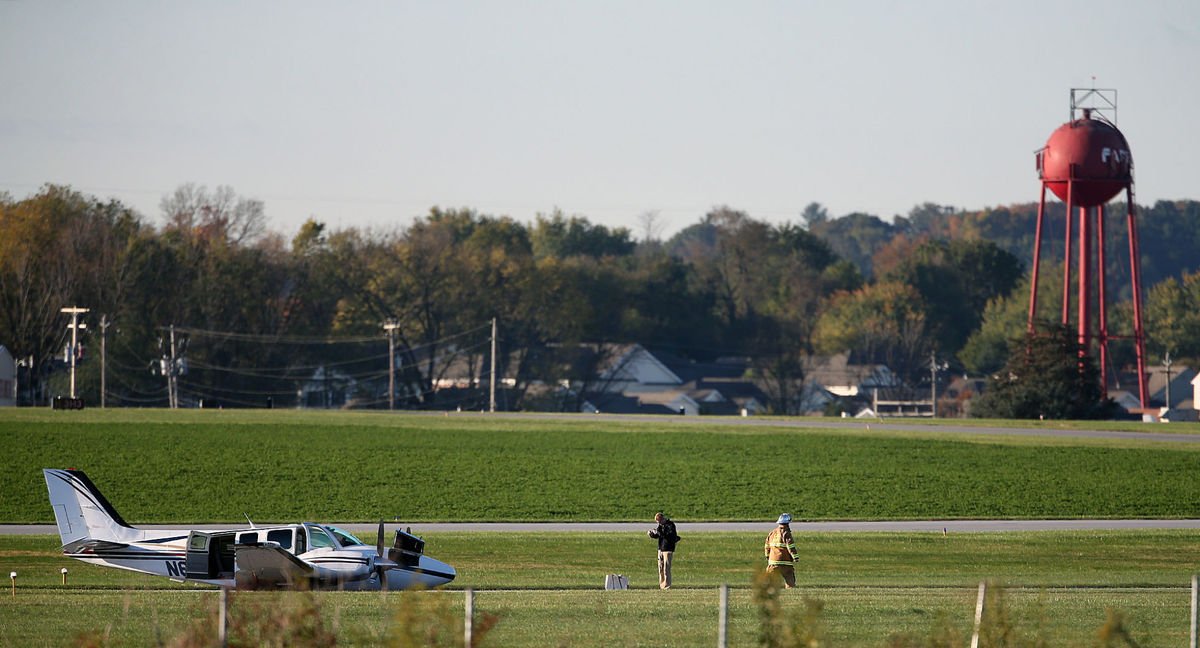
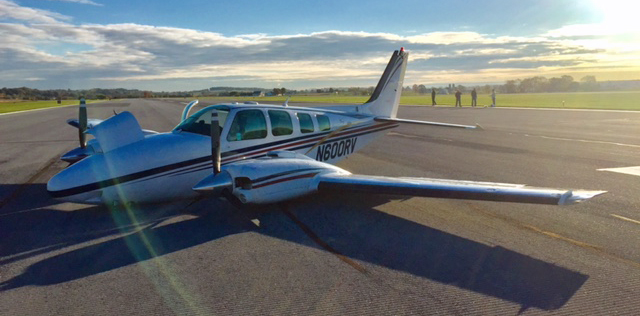
      Airplane sitting on the runway after the firefighters had checked it out
      Photo credit: www.lancasteronline.com
    4. Dealing with the Paperwork: I have had dealings with the FAA before, but never for an accident. I was afraid that the investigation would be a witch hunt and I would have to defend myself while someone poured over all my planning and paperwork looking for potential errors. But, my fears were totally unfounded. Although I did have to answer many phone calls, write many reports, and fill out much paperwork, the FAA, NTSB, and Insurance companies were very patient in waiting for my responses and even complimentary in how the situation played out. I really enjoyed working with all of them and appreciated their encouragement and help.
    5. Emotional Response: After the dust had settled and the smoke had cleared, I was left standing on the side of the runway with the passengers and my boss. I offered to fly them back to Philadelphia or continue to Pittsburgh and assured our Chief Pilot that I was feeling fine and ready to fly again. Fortunately, there wasn’t a need. Over the next week or two, I noticed a change in myself. I wasn’t fine. I have never had headaches, but shortly after I landed I developed a headache that didn’t go away for days. I had trouble focusing on anything and I had trouble finding motivation to do much but sit and stare at a wall. I wasn’t sharp and I caught myself making silly mistakes in my normally routine activities. I wasn’t depressed, or sad, it was just an unwanted mental and physiological response to the stress and shock of what happened that morning in the Baron. I didn’t feel like myself for quite some time and I even found myself a little on edge whenever I lined up for takeoff on subsequent charters for while afterward. Eventually I started to feel normal again, but it was a slow process.
    6. Feather the Props: I can’t tell you what a difference it makes when those props go from wind milling to feathered. It became clear to me that feathering a prop could make a huge difference in deciding the outcome of an emergency situation.
    7. Good training and checklists usage: This one is pretty straight forward, but it’s worth mentioning. Good training and proficiency make all the difference when the odds are against you. Make sure that you use all your resources when your back is against the wall, and that includes the checklists. Under the stress of the flight I had forgotten to close the cowl flaps and would likely have landed with them open without the aid of the Emergency Procedures Checklist. This would have resulted in unnecessary damage to the airframe.
    8. No need to rush: There is no denying that I had things stacked in my favor that day. I had nice weather, extra gas, daylight hours, and even the luxury of landing at my home airport. But, regardless of all those variables, there is no need to rush into anything. Ask questions, find answers and come up with a plan. Obviously not all emergencies present the pilot with the luxury of time, but use all time and resources you have to your advantage.
    9. Polish up those procedures: The deer accident really made me want to go out and brush up on all the emergency procedures which I hadn’t performed since my last checkride. The realization that I could need any of them at any time was really hit home after I hit that deer. Additionally, make sure you know who to call if something ever does happen.
    10. Know the systems: Familiarity with the systems on the airplane makes it easier to troubleshoot and solve issues on the fly and makes it easier to spot a problem in the first place. Knowing how systems work and what their normal indications should be helps make decisions regarding when to divert and where to land easier.

    The irony isn’t lost on me that the last article that I wrote for this newsletter dealt with how to avoid making gear up landings and the high cost required to repair one. I never would have imagined when I wrote that article last fall that I would be writing one only a few months later detailing my own gear up landing.

    The bottom line is that there is nothing a person can do to prepare for every situation which might arise throughout the course of a flight, and it’s also impossible to know which emergency you may have to deal with if a situation arises. All we can do is stack odds in our favor by making sure that we address the things within our control such as aircraft maintenance, careful flight planning, checking weather, and having personal minimums set in place to keep us from flying outside of our skill sets and comfort zones.

    Additionally, ensuring that you are knowledgeable and proficient in your aircraft’s procedures will give you the best chance for success. When things start going wrong, keep calm, and ask for help. Work the problem instead of guessing or rushing into a less than desirable solution. No one wants to be caught in an emergency like a deer in a landing light!

    Andrew Robinson is an airline pilot for Piedmont Airlines.  He is a former 135 Charter Pilot and flight instructor who lives with his wife and 2 daughters in Pennsylvania.  He instructs in Beechcraft Bonanzas.

  • What’s Going On With the Airplane Market?

    An Airplane Market Update, Q2 2026

    I get asked some version of the same question almost every day right now: “Hank, what’s going on with the airplane market?” Owners are nervous. The market has definitely slowed down, and the second quarter has been especially quiet. So let me give you a straight read on what’s actually happening, why, and what it means for your airplane.

    Here’s the short version: don’t panic. A slow market is not a market crash. It’s a market that rewards sellers who price realistically and buyers who are ready to pull the trigger. Patience is the name of the game right now.

    PDF
    ★ Free Download
    Get the Full Q2 2026 Aircraft Market Report
    The complete write-up — values, trends, and forecasts broken down by airframe. Sent straight to your inbox, free.

    Where values have actually been heading

    Used airplane values shot up through the COVID years, peaked somewhere around 2022, and have been softening ever since — really since about 2023. That’s carried into 2026. But in most piston airplanes, it looks a whole lot more like a slow, steady give-back than a crash.

    Now, here’s where I’d rather look than at asking prices. An asking price is just what a seller is hoping — or dreaming — to get; it isn’t what the airplane is worth. What an airplane is actually worth is what VREF tracks. And when I pull the VREF values on the single-engine pistons I’ve been appraising lately, a clear pattern shows up:

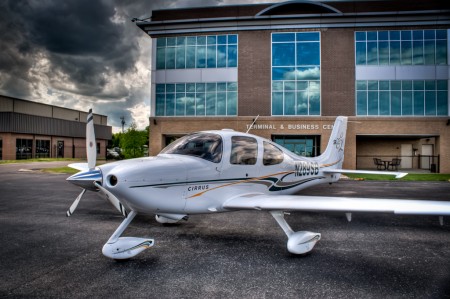
    • Older and less expensive airplanes are holding up the best. A clean normally-aspirated G1, G2, or G3 Cirrus SR20 or SR22 is down about 3% over the last twelve months. Older, more classic airplanes — Bonanzas, a Cherokee Six, a clean P210 — are flat to down just a few points. One outlier is the Cessna/Columbia 400 market — those are down about 13%.
    • The newer and more expensive, cabin-class singles have dropped more. A pressurized Malibu Mirage is down around 12% on VREF value, with other PA-46 pistons and turbines valued a little better, but still down between 8–12% over the last year.

    Call it roughly 5% on average across the segment. That’s more than the under-1% you’d guess from asking prices alone — but it’s still less than 15% down over the last year, not a crash. The rule of thumb: the older and less expensive the aircraft, the better the values are holding; the newer and more expensive the aircraft, the more the value has dropped over the last year.

    What a Crash Actually Looks Like

    Worth being precise about what I mean. A real crash — like 2008–09 — is sudden and disorderly: values plunge almost overnight, financing dries up, buyers walk away from their deposits, and airplanes sit because there’s no one to buy them at any price. New business-jet deliveries fell nearly 34% in a single year, and it took years to climb back. What we have now is the opposite on every count — value drops of 15% or less, financing that’s tighter but still available, and airplanes that are still changing hands. That’s a soft, orderly market, not a crash.

    Why Q2 got so quiet

    A handful of things piled up at the same time. None of them is a disaster on its own, but together they explain why the phone has been ringing less.

    Rates didn’t come down the way everybody expected. Oil shot past $110 a barrel after the conflict with Iran, inflation came roaring back, and the Fed stopped dropping rates — so financing an airplane still costs more, and that takes the urgency out of buyers. Financing also got tighter; the days of 100% loans with no money down are basically over, and lenders want bigger down payments.

    The tax rush already happened, too: when the One Big Beautiful Bill brought back 100% bonus depreciation, it set off a mad dash to close before year-end, and a lot of the folks who’d have been shopping this spring already bought last winter. Plus, there are simply more airplanes to choose from now, which hands buyers options and pulls pricing power away from sellers.

    So what should you do?

    It depends on which side of the deal you’re on.

    If you’re selling, price to today’s market — not the 2022 peak, and, unfortunately, not what you paid for the airplane. Realistically priced airplanes are still selling; the ones that sit are the ones chasing a number the market left behind. Keep your logs complete, stay current on inspections (don’t forget those 24-month IFR inspections!) and ADs, and present the airplane well. Have a thorough annual done before putting it on the market. Keep it clean and do whatever cosmetic or avionics fixes or upgrades you’ve been neglecting — you want it to show as well as possible, because there’s a lot of competition out there.

    Re-dyeing the leather seats is a cost-effective way to spruce up the interior without replacing the seats. A good wash will certainly help the exterior. Glass in the panel always shows better than steam gauges, so even something simple like an Aspen upgrade, two Garmin GI 275s or G5s, or a 7-inch Garmin G3X will bring value to your airplane and make it show better — any of those are less than $10,000. If you do still have a Garmin 530W or 430W, consider changing them out for a newer Garmin or Avidyne IFD unit; Garmin won’t support the 530W/430W anymore. And Avidyne is quietly ending support for the Entegra system this fall — but the good news is the Avidyne Vantage panels are finally certified.

    And if you can wait, give it some thought — the back half of the year is shaping up stronger. The fourth quarter is traditionally the best stretch for used sales, and now that bonus depreciation is permanent, that year-end push resets every fall.

    If you’re buying, this is your window. Higher rates have thinned out the competition, there are more airplanes to pick from than there have been in years, and sellers are more willing to deal. If you’ve got cash ready or financing lined up, you’ve got leverage you didn’t have eighteen months ago. Be picky — buy the clean one with good records.

    If you’re just holding, relax. There’s no reason to panic-sell. Most piston values are easing off slowly, not collapsing. Patience wins here.

    The right move always comes down to your specific airplane, your timeline, and what you’re trying to accomplish. If you’d like a current valuation — or just an honest read on where your airplane sits in today’s market — give me a call. That’s what we’re here for.

  • TBM Debuts the 960 at Sun N Fun

    This is a Press Release from Daher’s website, the maker of the TBM 960.

    Sun ‘n Fun Aerospace Expo, Lakeland, Florida, April 5, 2022 – Daher today unveiled the latest high-end version of its TBM pressurized single turboprop aircraft family – the TBM 960 – which incorporates Pratt & Whitney Canada’s advanced PT6E-66XT engine and a fully digital e-throttle, along with a digitally-controlled cabin that incorporates an all-new environmental control system, LED ambience lighting and electrically-dimmable windows.

    The TBM 960 was introduced at the Sun ‘n Fun Aerospace Expo in Lakeland, Florida, where Daher is exhibiting the first production airplane (exhibit stand #MD-22B).

    “The TBM 960 is the quintessential TBM, representing the fifth evolution of our very fast turboprop aircraft family since the TBM 900-series’ introduction in 2014,” commented Nicolas Chabbert, the Senior Vice President of Daher’s Aircraft Division. “It takes the maximum advantage of today’s turboprop technology to provide digital control of the engine and the propeller.”

    The TBM 960 retains the rapid speed of Daher’s TBM family while enabling lower fuel consumption. At Daher’s recommended cruise setting of 308 kts., the fuel consumption is only 57 U.S. gallons per hour, which is a 10% fuel economy compared to maximum cruise setting for more sustainability.

    At the heart of this latest TBM version is the intelligent PT6E-66XT powerplant and Hartzell Propeller’s five-blade RaptorTM composite propeller, both of which are linked to the dual-channel digital Engine and Propeller Electronic Control System (EPECS).

    With the EPECS, the PT6E-66XT’s startup is fully automated after a single-switch activation. The cockpit’s power lever is an e-throttle, using a single forward position from takeoff to landing – with the EPECS optimizing powerplant performance throughout the flight envelope while

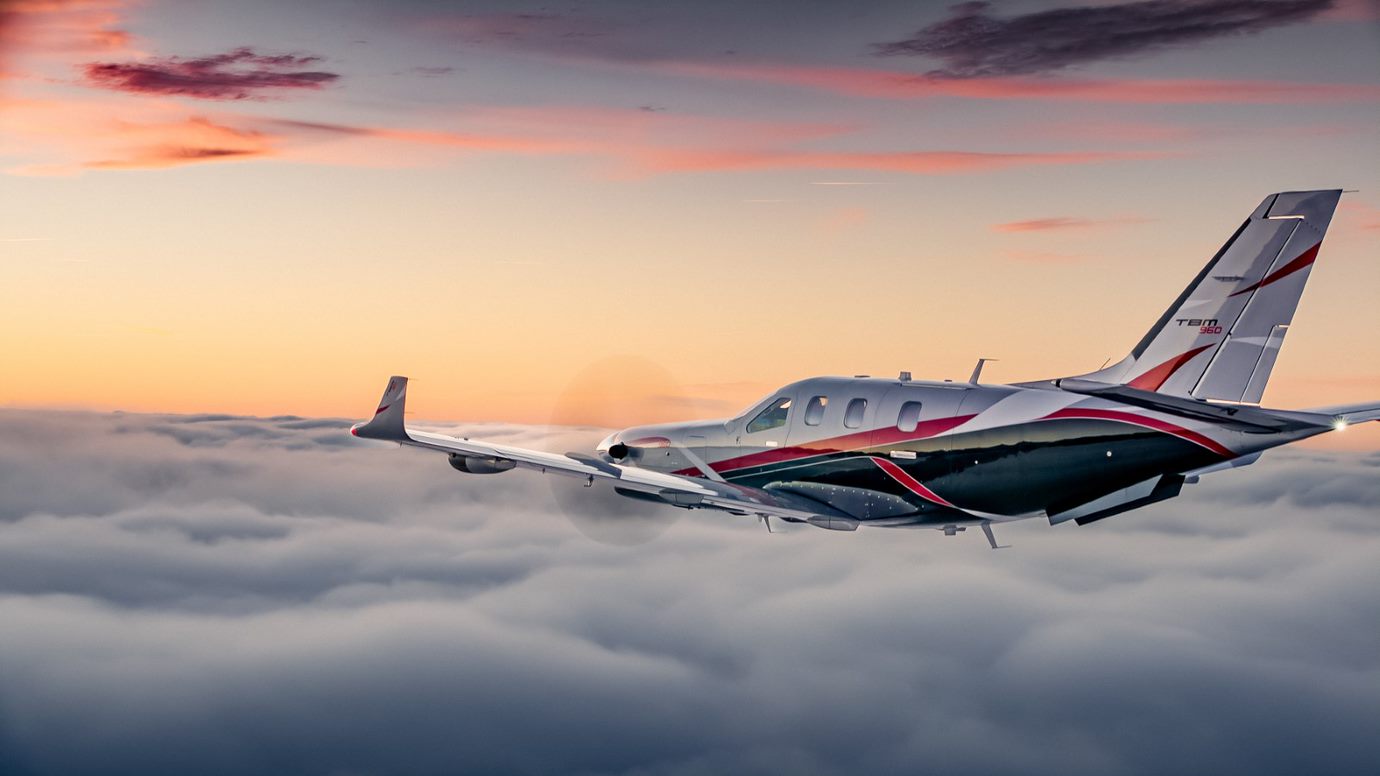
    Daher unveils the TBM 960 at Sun ‘n Fun Aerospace Expo

    reducing pilot workload by integrating all functions and protecting the engine’s life. Analysis of engine parameters is driven by 100-plus smart data inputs.

    The RaptorTM propeller is fully integrated into the propulsion system. It is specifically designed to reduce overall weight and improve the TBM 960’s takeoff distance, climb and cruise speed. Turning at 1,925 rpm during maximum power output, the Raptor contributes to limiting noise and vibration. Its sound level during takeoff is just 76.4 decibels, meeting the most stringent international noise standards.

    With its G3000® integrated flight deck, the TBM 960 retains Daher’s e-copilot® concentration of technological innovation and safety systems in the TBM, which can be compared to an “electronic copilot.” This includes an icing protection system, flight envelope monitoring through the Electronic Stability and Protection (ESP) and the Under-speed Protection (USP) systems, the Emergency Descent Mode (EDM) function, as well as the game-changing HomeSafeTM emergency autoland system.

    New to the TBM 960 is the Garmin GWXTM 8000 doppler weather radar with advanced surveillance features such as lightning and hail prediction, turbulence detection, zero blind range for close-in returns, and ground clutter suppression. The TBM 960 also is the first application of Garmin’s GDL® 60 next-generation data transmitter for automatic database upload and interconnection with mobile devices.

    The TBM 960’s Prestige cabin extends Daher’s use of digital power inside the aircraft, featuring an all-new environmental control system, LED ambience strip lighting integrated into both sides of the overhead ceiling panel, and electronically-dimmable windows – all controlled by a PassengerComfortDisplay(PCD). Enhancementsinthecabin’sstyleandcomfortalsoinclude new ergonomically enhanced seats, USB-A and USB-C power plugs, individual cupholders and headset hangers for each occupant.

    For the TBM 960, a fifth TBM paint scheme – called Sirocco, based on the creativity of French designer Alexandre Echasseriau – has been added to the aircraft’s style customization possibilities.

    The TBM 960 has been certified by EASA (the European Union Aviation Safety Agency); with certification by the U.S. FAA (Federal Aviation Administration) currently underway. Deliveries will begin in the first half of 2022.

    With the new aircraft’s launch, Daher’s TBM family is now offered in two versions: the TBM 960 and TBM 910.

    About Daher – www.daher.com

  • A Flying Car in the Future?

    EAA Airventure at Osh Kosh always draws great innovators every year, leading the aviation consumer to discover something new and different.  Flying cars have always been a dream for the everyday pilot.  Why not fly to work?  Why not park the plane in the parking lot?  Why not drive from the runway onto the freeway?  All excellent questions!

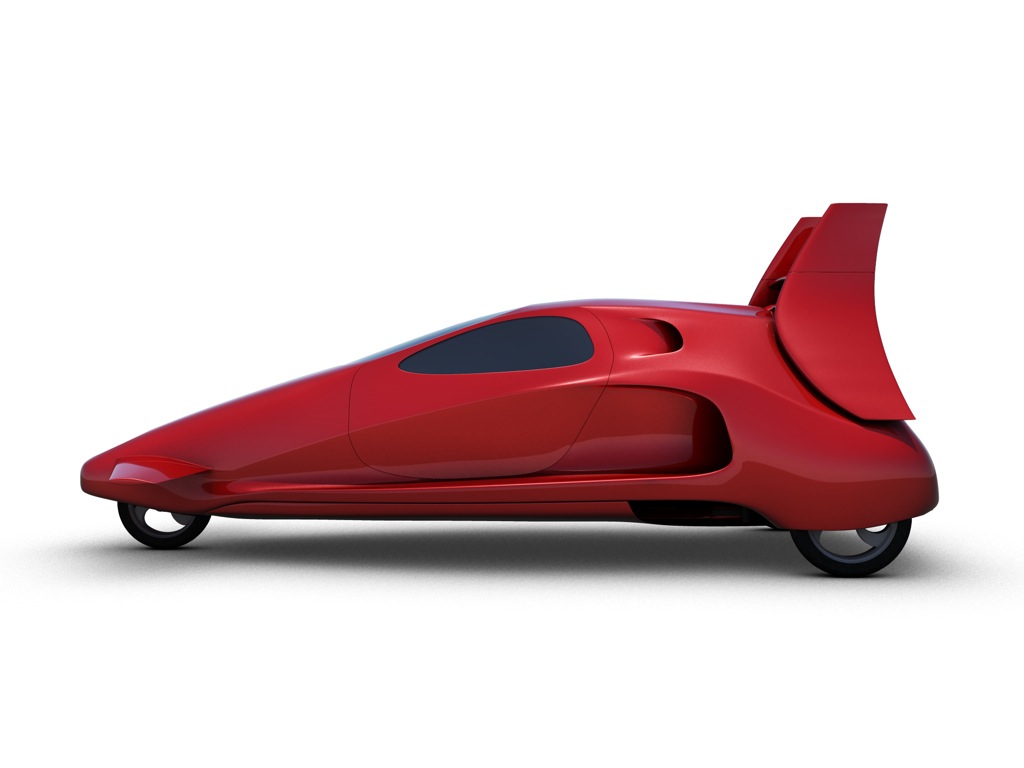
    Samson Switchblade Driving

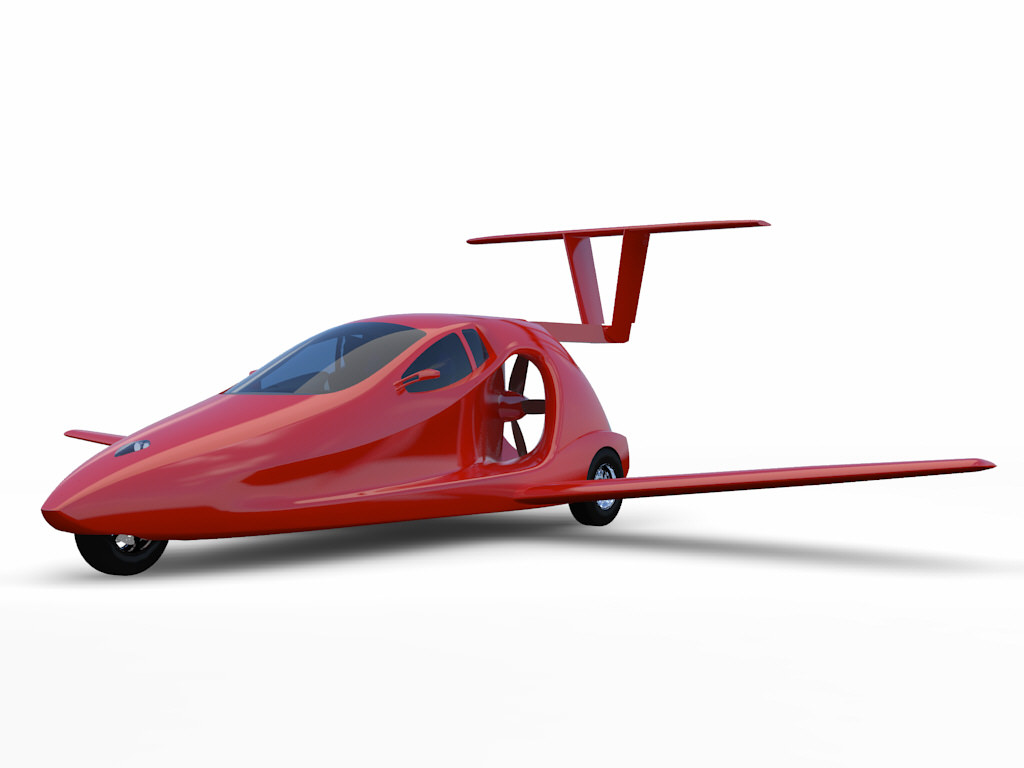
    Well, Samson Motorworks is trying to make those dreams a reality.  Samson’s Switchblade flying car is in the (hopefully) finally stages of development this summer.  The company expects to be able to conduct test flights early next year, then begin selling the experimental kit.

    The Samson Switchblade will be in the Experimental category, but Samson has a builder assist program that only adds $20,000 to the final cost of the kit.  The total price of the kit, which comes 49% completed and only takes 3 weeks to complete with the builder assist program, comes in at $140,000.  That includes the engine, avionics (it’s equipped with Dynon’s 7″ Skyview glass panel display, a Dynon radio and transponder, a Dynon intercom, a Dynon AOA, an iPad mini, and an ADS-B GPS), and the builder assist program.  Similar to a Cirrus, it is also equipped with a Ballistic Parachute Recovery system.

    The Samson Switchblade has several different engine options, including a supercharged, liquid cooled, V-4 similar to a Corvette engine that will produce 190 HP.  Max cruise in the air should be around 170 knots.  The Switchblade will hold 30 gallons of mogas, burn 9 GPH in the air, and get 35 mpg on the ground.  The gross weight will be 1,750 pounds.

    How does the car to plane transition happen?  Samson has developed a fly by wire system to retract the rudder down while the car is in drive mode.  The wings use a mechanical linkage to fold up into the belly.

    Samson Switchblade Flying

    There are several different packages for the Samson Switchblade:  the Snowbird, the Aurora, and the Trek options.  Details can be found on Samson’s website.

    I, for one, will be keeping an eye on the freeways next summer to keep an eye out for cars sprouting wings.  No more traffic jams!

  • Garmin 430 Guide By Pilot Workshops

    Are you still trying to master the Garmin 430 in your airplane?  Is it giving you fits because you keep twisting the big knob instead of the small knob?  Would you like a step-by-step guide to each and every part of the Garmin 430?

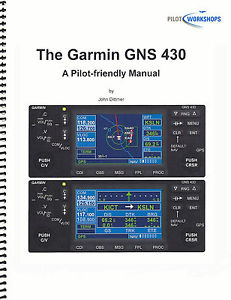
    Garmin 430 GuidePilot proficiency website PilotWorkshops.com has published a very thorough, step-by-step manual on how to use the Garmin 430.  Want to load a flight plan?  There’s a section for that.  Want to load an approach?  There is a section for that as well.

    The Pilot-friendly Garmin 430 manual is a great reference to have for Garmin pilots.  Pilot Workshops offers a guide for the Garmin 430 and the Garmin 430W, depending on if you have WAAS or not.

    The hard copy guides are $44.95, but you can also download the PDF version of each for $19.95.

    To get more information on the guide or to order one, you can visit the Pilot Workshops website. (Have another Garmin or King GPS unit?  Pilot Workshops has guides for a variety of different GPS units)

  • The RDD LX7

    Have a Lancair IV-P?

    Want to make it better than a Cirrus or a Cessna TTx?

    Meet the team at RDD creating the LX7.  Just make sure you are sitting down as you are about to be blown away.

    RDD (Research. Design. Development) is a professional building company for the Lancair line of experimental aircraft (Lancair unveiled the Mako at Osh Kosh this summer, which performs slightly less than the advertised values of the LX7, but is available as a new kit).  For those unfamiliar with the experimental world, when an experimental kit is bought, the owner/builder can build the entire aircraft himself, partially build it then send it to a completion center, or have a professional build company put it together.  This last option is what RDD did with Lancair aircraft before Lancair moved from Oregon to Uvalde, TX.

    Once Lancair was sold, RDD started thinking on how to make the IV-P better.  Boy, did they.  What resulted is the LX7.

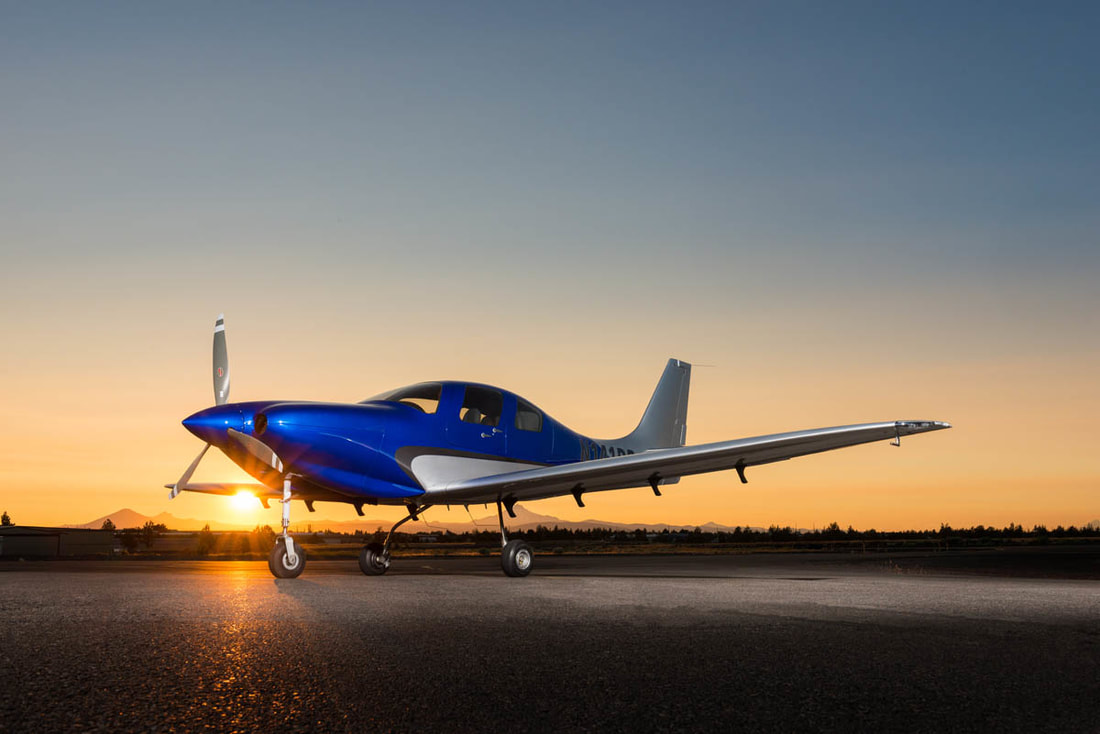
    The LX7 is a retractable gear, single engine piston, pressurized aircraft that sits 4.  See it on the ramp and it looks like a Lancair or a Columbia.  Sit in the cockpit and you’ll know something is different.

    Starting with the power plant, RDD put a Continental TSIO 550-E engine in the IV-P airframe, giving the airplane 350 HP.  They redesigned the wing to hold 180 gallons of usable fuel and a much better stalling envelope (anyone who has looked at a Lancair IV or IV-P wing knows that there isn’t much wiggle room with angle of attack on those airplanes), lowering the stall speed to 62 knots dirty.

    The cabin is roomier and the panel is beautiful.  Equipped with 2 or 3 Garmin G3X Touch panels (the experimental equivalent of the G2000), plus a GTN 750 and a fully digital backup flight instrument from Grand Rapids, plus ESP technology built in to the autopilot, this plane seems like a pilot’s dream.

    I haven’t even gotten to the best part:  the speed.  Being pressurized, the LX7 has a 25,000 foot service ceiling where it can achieve cruise speeds of 260 knots at best power (24 GPH) and 250 knots at best economy (18 GPH).

    Yes, I did just say 250 knots at 18 GPH in a single engine piston.

    With 180 gallons of fuel.

    Make sure you bring a Travel John.

    Worried about an experimental?  The airframe is equipped with a full BRS system similar to the Cirrus SR22, keeping everyone safe and sound.

    There is one flying LX7 currently and RDD is working on 3 more.  The price tag for the full conversion is $550,000.  The kicker is, the owner has to provide the Lancair IV-P airframe.  There are currently 10 Lancair IV-Ps for sale on Controller, varying in price from $200,000-$400,000, bringing the total price of the project to $750,000-$950,000.  Owners who already have a IV-P or a IV-P kit can send it on over to RDD to get started on their project.

Leave a Reply

Your email address will not be published. Required fields are marked *